Just How Fence Companies Melbourne Deal With Authorizations and Conformity
Fence work appears straightforward up until the documentation starts. One neighbor's "it's always been like that" promptly develops into a council requirement, a limit dispute, or a safety issue no one considered when the initial post opening was defined. That is why the much better fence companies Melbourne collaborate with a compliance attitude from day one, not as a second thought once the wood is delivered.

In Melbourne, fence authorizations and guidelines are not one-size-fits-all. They change depending on where the fence sits, the height, the material, whether you are in a heritage location, and how your lot is formed. The job is to build something that looks right and likewise endures the conformity check, the evaluation, and the truth of living alongside various other people.
Below is just how trustworthy fencing home builders typically take care of permits and compliance, the useful steps behind the scenes, and the catches that capture home owners and businesses off guard.
Why licenses appear for fences more frequently than individuals expect
A great deal of home owners think a fencing is instantly "private property business," which indicates no authorizations are needed. The reality is that councils treat fences as part of the developed atmosphere. A fence can impact streetscapes, sightlines, water drainage, privacy, and gain access to. If your fence is high, near a frontage, near a corner, in a place with overlays, or replacing an existing fence that had issues, authorization may be required.
Even when an official license is not required, compliance still matters. That includes fulfilling the relevant standards for construction, seeing to it the fence is actually on the correct border, and guaranteeing the construct will not develop a risk. A compliant fencing is not just an issue of ticking a box, it is also about getting the build right the first time so you do not end up paying twice.
I have actually seen fence tasks where the plans were "fine," however the developer or council police officer focused on different details, like the finished height from all-natural ground, the presence at an intersection, or exactly how the blog posts were repaired. When the initial submission did not line up with what the choice manufacturer wanted, the fencing company needed to revise the layout. That is why the far better operators treat authorization preparation as part of the craftsmanship.
The first task: establish what guidelines apply to your site
Before any type of illustrations are settled, a fence professional ought to be attempting to address one inquiry: what constraints apply to this details property?
In Melbourne, restraints are typically site-based:
- Where the fence lies on the property (front, side, back, corner)
- How high it is proposed to be
- Whether it is strong or has spaces that affect sightlines
- Whether your home falls within certain zones or overlays that include extra layers of assessment
- The shape of the block, the slope of the land, and how "elevation" is measured on unequal ground
- Whether the fence replaces something that currently existed, and the condition and compliance background of what is there
A solid fencing business Melbourne design will certainly not leap right right into getting products after a fast call. They ask for building essentials and they talk you with the presumptions they are making. If they do not, you are tackling risk.
Sometimes the conformity problem is evident. A tall fencing on a corner area can elevate exposure concerns. Various other times it is refined, like the method the ground levels change throughout the fence line. A dimension that seems "concerning the exact same" from inside the backyard may check out extremely differently when evaluated from the appropriate reference point.
When permits are required, fence companies typically handle them in a structured way
There are a few various paths that can come up. Often you require a planning permit or a council authorization, other times you can build under a compliance pathway where specific needs should be fulfilled. The specific route depends on the circumstance. The best fencing contractors do not presume and really hope. They validate, record, and maintain the process moving.
A normal permit workflow looks like this:
1) Verify the layout information that councils and conformity assess
This is where the "design" of the documents begins. The contractor (or the individual preparing the entry) needs clear information regarding:
- fence height (including how it is gauged)
- fence type and materials
- fence placement (on the limit, set back, or offset)
- elevations, specifically at front and edge sections
- any gates (and whether they affect gain access to or exposure)
- how the fence will look in context, often supported by pictures from appropriate vantage points
I have watched homeowners bring a sketch that was primarily "a colourbond fence, concerning two metres." That is not nearly enough. An entry requires exact intent. A professional fencing company will aid you convert the "vibe" into quantifiable details.
2) Examine limit placement prior to lodging
Permits and compliance can come to be difficult fast if the fence line is uncertain. If there is any type of question about the limit, an appropriate professional will encourage a boundary survey or, at minimum, will certainly not assume the existing fencing is accurate.
This is one factor respectable fence building contractors discuss "setting out the line" and doing site measurements prior to construction. It is not almost straightness. It has to do with staying clear of the situation where you develop an accepted design on the wrong line, and after that the conformity success is worthless because neighbor issues erupt.
3) Prepare and send documents that matches the council's expectations
Councils and departments typically desire regular drawings and clear summaries. The key is that the entry ought to match what you actually plan to build.
A typical failing setting I have actually seen is the "style drift" problem. The drawing claims one height, the product option ends up slightly different, or the completed quality modifications. The fix is monotonous but reliable: lock the specs early, validate the dimension basis, and upgrade the submission if anything changes.
4) Coordinate any type of responses and keep timelines realistic
Permit processes can include ask for additional details. A good fence business Melbourne strategy deals with those requests as component of the work, not a nuisance.
If the council desires changes, the service provider needs to have the ability to revise promptly. That needs having the style in a useful type and not relying upon somebody's memory or an obsolete sketch.
Timelines vary by case. Some approvals relocate swiftly, others take much longer. If a contractor ensures a date without credentials, I would deal with that as a warning. The accountable ones speak in varieties and explain what influences the speed.
5) Construct only as soon as the compliance pathway is clear
There is a temptation, specifically if you are eager, to start digging before authorizations are secured. Occasionally individuals also state, "No one will certainly mind." That is where troubles begin.
Reputable fencing contractors construct at the right time. They either have the approval in hand or they are functioning under the proper compliance path. The distinction matters if an examination or grievance sets off a stop-work situation.
Compliance is more than the license stamp
Even where authorizations are handled correctly, conformity is about exactly how the fencing is in fact developed. A fencing can pass a documentation screen and still fall short a building and construction conformity check if it is risky or non-conforming.
Compliance typically covers:
- structural security of blog posts and rails
- safe clearances around pedestrian and car areas
- correct building and construction techniques for the selected product system
- durability expectations proper for Melbourne conditions
- gate procedure and protection where applicable
- workmanship standards, including neat finishing and proper alignment
A simple example: two secure fencing firms can both construct "a timber fence at 1.8 metres." If one makes use of appropriate message depth, bracing, and correctings, and the various other uses faster way spacing, the first fence is more probable to continue to be straight and sound after wind and seasonal activity. If the second fencing leans within months, the compliance discussion shifts from permits to maintenance and liability.
The finest service providers build to stand up to the neighborhood truth, not to impress on day one.
The neighbour element: conformity plus real-world communication
Permits do not resolve whatever. Neighbours can still care about sight loss, personal privacy, border looks, and sound. A fencing can be authorized and still produce a dispute, specifically in side limits or where a brand-new strong section changes the feel of the yard.
In technique, fence companies Melbourne that do well typically suggest a straightforward courtesy procedure:
- inform your neighbour of the desired works
- share the vital dimensions (height and size) in simple language
- explain when job will happen
- offer confidence on boundary precision and finishing details
This is not concerning asking approval for every single develop detail, it is about decreasing friction. When disputes develop, it additionally helps to reveal that the service provider and property owner acted responsibly.
I when saw a task where a permit was accepted for a side fence section, however a misunderstanding regarding the exact border line developed stress. The fencing was practically certified in design, yet the parties disagreed concerning where the finished face would certainly land. The specialist solved it by re-laying out the fence line on site with recommendation points and confirming placement prior to waging the final panels. That little change conserved every person time and stress.
What paperwork a good service provider keeps ready
You should expect a specialist to be able to explain what they are doing and supply evidence when asked. This is where license dealing with becomes greater than obscure promises. It comes to be traceable.
Here is the kind of documents that typically stays in the project file.
- property details used to verify the evaluation path (like the website info required to understand zones or overlays)
- the fencing drawings or altitudes showing height, placement, products, and any kind of gates
- evidence of any type of authorizations or permit determinations, including conditions
- measurement notes for boundaries and finished heights on site
- manufacturer specs for the fence system and any pertinent building details
If a professional can not communicate the basics clearly, it is hard to rely on the conformity process. You do not need a stack of documents on your cooking area table, however you should have the ability to ask questions and obtain straightforward answers.
How fence companies deal with adjustments after permits, since life happens
A great deal of fencings are not developed specifically as very first made. Hues obtain reevaluated, a gateway place changes, or you realise the fencing line requires a little tweak to stay clear of a below ground service.
A compliant specialist deals with changes as a mini project, not a "we'll simply readjust it." The crucial idea is that modifications can influence compliance. Elevation and exposure outcomes can transform, material choices can transform architectural performance and appearance, and even small placement modifications can change border considerations.
For example, if you change a panel height up after an authorization was released at a specific dimension, you can inadvertently tip outside the approved condition. Likewise, replacing a permeable style with a solid one can influence personal privacy and sightline considerations relying on location.
The specialist approach is to document the modification request and inspect whether the alteration still fits the permit problems or conformity pathway. Occasionally that suggests seeking a composed information or an updated submission. In some cases it is as basic as confirming that the variant still satisfies the same standards. Regardless, the right professional handles it proactively.
Material selections and compliance: it is not only height
Fence height frequently obtains all the interest, however product and framework matter too.
Solid fences and those that block sights can cause privacy or streetscape factors to consider. Open-style fences can raise different questions regarding safety and security. Metal fences, timber fencings, and stonework fences all act differently. In damp and windy conditions, different systems require various construction information to remain stable.
If you remain in a district with added restrictions or a heritage-sensitive atmosphere, product choice can enter into the conformity tale also. The objective may be to keep the fence regular with streetscape character, or to stay clear of changes that aesthetically bewilder a property.
A great fence company Melbourne contractor will inquire about the context, not just the item. They will certainly clarify trade-offs, like just how a particular style might be authorized yet still require a certain article design to satisfy construction expectations.
Inspections and sign-offs: what to expect during and after the build
If your fence approval consists of conditions that call for evaluation, the service provider should collaborate it. In many cases, not every fence requires an assessment, however when there is a compliance component connected to building and construction, a quality professional will certainly treat it as part of the plan.
What you can do as a homeowner is established yourself up for a smooth sign-off by seeing to it access is available for the installer and, if pertinent, for any kind of inspector.
Also, if compliance problems define anything like setback, placement, or panel types, ask just how those will certainly be confirmed on site. It is practical to need to know where the recommendation points are and just how the service provider will gauge the final elevation and location.
A concrete example: if the council problem is based upon the "completed elevation" measured at a particular point, the professional needs to make clear whether they are determining from natural ground, cut ground, or another basis. When you understand the dimension basis, you are much less most likely to be stunned later.
Practical concerns to ask your fence firm before you sign
If you are selecting in between fence installers and fence companies Melbourne offerings vary commonly, the smartest action is to ask targeted questions that expose their actual process.
Here is a short list you can make use of in your first conversations.
- Do you handle licenses and conformity straight, or do you give information for me to submit?
- What information do you need from my residential property to confirm whether an authorization is required?
- How do you confirm border positioning before installation?
- If the layout changes after approval, what do you do to maintain the work compliant?
- Can you clarify how you determine ended up fence elevation on irregular ground?
You will learn a whole lot from the solutions. Expert operators explain measurement, paperwork, and exactly how they handle modifications. Obscure answers generally indicate they are either thinking, leaning on assumptions, or wishing the project remains simple.
Common challenges that thwart conformity (and how to prevent them)
Permit and compliance issues have a tendency ahead from a handful of repeating issues. A few of them are homeowner-driven, some are contractor-driven, and some are just the nature of home work.
One constant risk is misinterpreting just how elevation is computed. If the fence line crosses an incline, the "exact same elevation" at both ends can still generate various maximum heights when completed grade is thought about. That can relocate the fence out of Go to the website the allowed range.
Another risk is boundary presumptions. If a fencing is built based upon a wrong line, you can wind up with a dispute that grows louder even if the fence layout was approved.
A 3rd pitfall is choosing a specialist that starts with products and price quotes, not with approvals and dimension. When the documentation gets here late, the design might need modifications that reduce the construct down, or the contractor may offer to proceed without the ideal confirmation.
The best workaround is easy: choose a contractor that is comfortable talking with the conformity course early, and that can demonstrate how they take care of paperwork and revisions.
Real-world trade-offs: rate versus certainty
Homeowners commonly desire the fence now. Business owners have target dates. Climate is real, and sites get noisy when jobs are delayed.
There is a compromise between speed and certainty. Fast timetables can still be great if the conformity pathway is straightforward and the design is already suitable with the likely demands. Yet if there is any intricacy, such as place restraints, higher fences, or a corner scenario, structure first can be expensive.
I advise treating licenses and compliance like a part of the construct schedule, not an interruption. When done effectively, it lowers the chance of later rework and disputes. Even if the approval procedure includes weeks, the cost of restoring the very same fencing due to the fact that it requires to be altered is generally far greater than the management time.
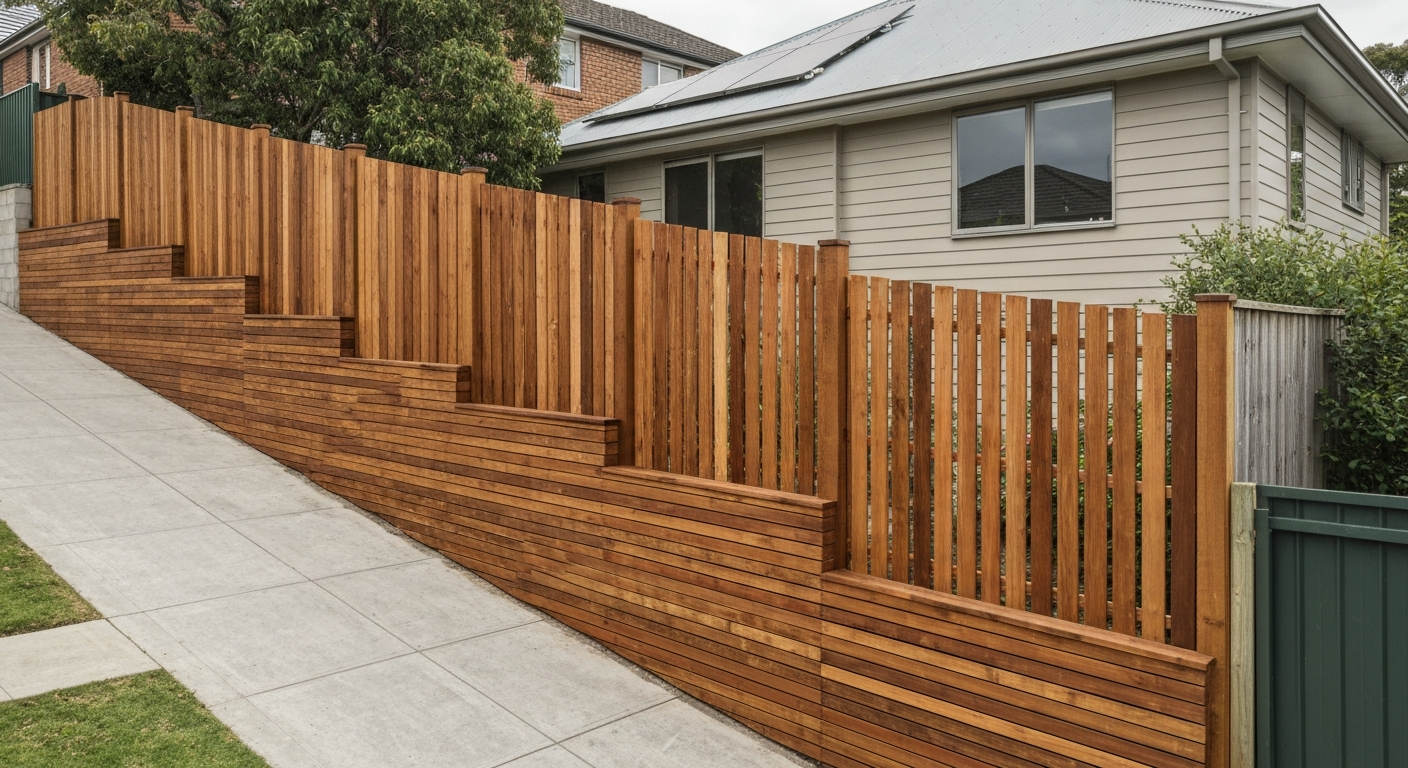
How fence companies Melbourne generally maintain projects smooth from start to finish
The toughest professionals make conformity really feel tranquil. That does not indicate the work is easy, it indicates the process is managed.
Good carriers usually do the adhering to well:
They schedule a site evaluation early, so measurement and border factors to consider are addressed prior to ordering. They translate your choices right into a design that is measurable and compliant. They lock the requirements so the approved design matches what gets constructed. They connect what happens if council inquiries arise. They additionally handle completion of the procedure properly, consisting of documents you can describe later if there is a dispute.
When you select a contractor that takes care of licenses and compliance cleanly, you are paying for greater than posts and panels. You are paying for risk reduction.
What you need to maintain after the fencing is done
Even after the last panel is installed, conformity still has a life. If you sell the home later or if a neighbour conflict appears, having records can help.
You do not need to become a filing clerk, but you must keep:
- any approval records and conditions, if you got them
- the last set of drawings or a summary of what was developed, consisting of elevation and positioning details
- any crucial measurement notes you were provided
If a conformity result needed specific problems, the best time to comprehend them is while the task is fresh, not after something goes wrong.
A fencing is among those upgrades that appears minor till you require to verify what you did. Expert specialists make that proof easy.
Choosing the ideal suitable for your situation
Permit handling is not a one-size examination, due to the fact that your needs differ. A small rear fencing that rests straight might not activate the exact same level of authorization as a high front fence at a corner. A conventional lumber paling fence may be easier than a masonry or steel system with different aesthetic effects.
That is why the most effective fence companies Melbourne treat each job as a certain compliance problem. They do not simply offer an item. They design and integrate in a way that can endure scrutiny.
If you are preparing to fence quickly, beginning by asking the appropriate inquiries, confirm the design details early, and choose a professional that treats compliance as component of the construct craft. It is the distinction in between a fence you quietly enjoy, and one you maintain considering because of unsettled paperwork.
If you want, inform me the approximate fencing height, where it's going (front, side, back, edge), and whether you are replacing an existing fencing or building brand-new. I can lay out one of the most likely conformity considerations to talk about with your contractor.